10 Wabi-Sabi Architecture Ideas for a Calm and Natural Aesthetic
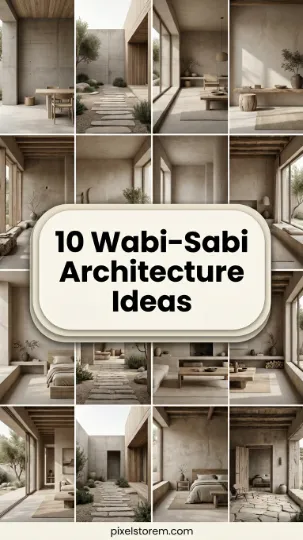
Wabi-sabi architecture celebrates the beauty of imperfection, impermanence, and simplicity. Rooted in Japanese aesthetics, it emphasizes natural materials, muted tones, minimalism, and harmony with nature. Rather than striving for perfection or opulence, wabi-sabi embraces the authentic and organic, creating serene spaces that evoke calm and mindfulness.
Whether you’re designing a home, office, or small retreat, these 10 Wabi-Sabi architecture ideas can guide you in creating spaces that are tranquil, soulful, and timeless.
1. Embrace Natural Materials
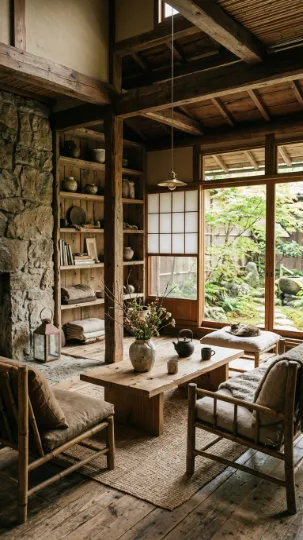
Wabi-sabi design relies heavily on natural, unrefined materials. Wood, stone, bamboo, clay, and raw concrete create warmth and texture while highlighting natural imperfections.
Tip: Choose materials with visible grain, knots, or irregularities to showcase authenticity.
Design Idea: A wooden façade with uneven plank textures or exposed stone walls adds a grounded, organic feel to a wabi-sabi home.
2. Imperfect Surfaces and Finishes
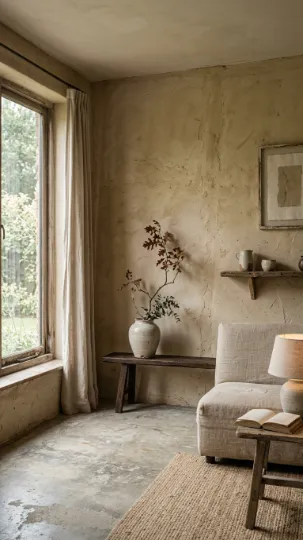
Wabi-sabi beauty comes from imperfection. Embrace surfaces that are rough, uneven, or weathered. Avoid overly polished or mass-produced materials, as they lack character.
Tip: Handcrafted tiles, rough plaster, or reclaimed wood furniture add uniqueness.
Design Idea: A textured clay wall in a muted color can create an elegant, imperfect backdrop that adds depth and character.
3. Neutral, Earthy Color Palette
Wabi-sabi architecture favors muted, earthy tones—soft greys, beiges, browns, and greens that evoke nature and calm. Avoid bright, saturated colors that disrupt the serenity of the space.
Tip: Layer shades to create subtle variations and a sense of depth.
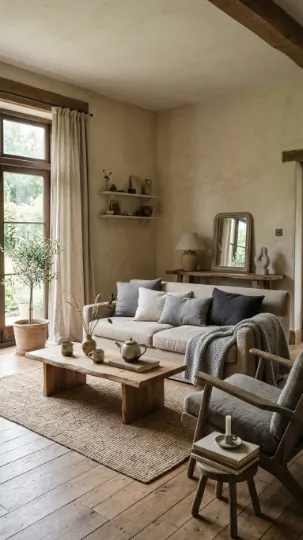
Design Idea: A living room with soft beige walls, a reclaimed oak floor, and linen curtains in muted green exudes understated elegance.
4. Minimalism and Simplicity
Clutter-free spaces are central to wabi-sabi architecture. Minimal furniture and décor create calm, allowing natural materials and imperfections to shine.
Tip: Select functional pieces with simple, organic shapes. Avoid excessive ornamentation.
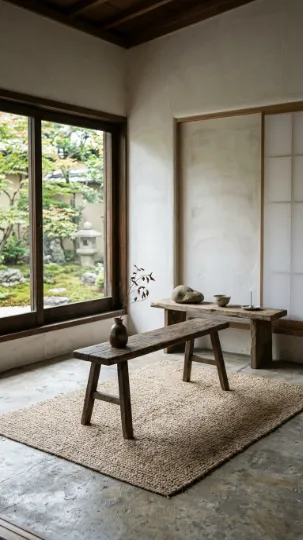
Design Idea: A single handcrafted wooden bench paired with a stone vase and a woven rug embodies minimalist wabi-sabi style.
5. Connection to Nature
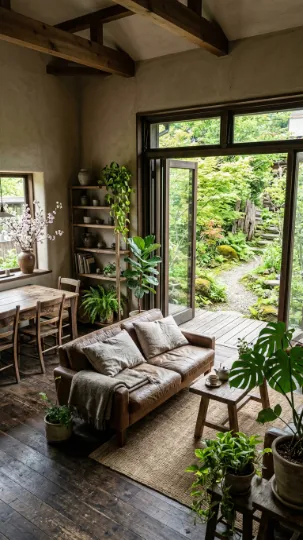
Wabi-sabi architecture emphasizes harmony with the natural environment. Incorporate large windows, sliding doors, or open courtyards to bring in natural light, greenery, and fresh air.
Tip: Use natural ventilation and avoid excessive artificial lighting during the day.
Design Idea: A house with floor-to-ceiling windows overlooking a garden, with indoor plants and stone pathways, fosters a seamless connection to nature.
6. Asymmetry and Organic Forms
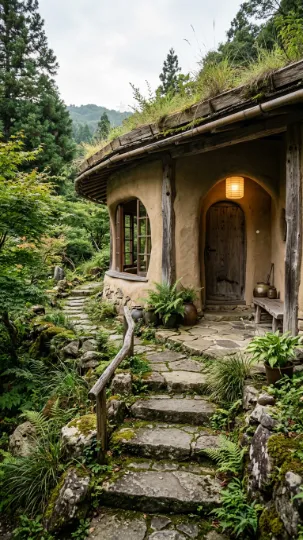
Unlike rigid modernist designs, wabi-sabi embraces asymmetry and organic shapes. Curved lines, uneven layouts, and natural forms create visual interest and authenticity.
Tip: Avoid forcing symmetry; let the space flow naturally according to materials and surroundings.
Design Idea: A curved bamboo railing or uneven stone steps adds visual appeal while reflecting wabi-sabi philosophy.
7. Weathered and Aged Materials
Wabi-sabi celebrates the passage of time. Weathered wood, patinated metals, and aged stone evoke history and authenticity. These materials tell a story and create a sense of depth.
Tip: Use reclaimed or naturally aged materials rather than artificially distressed ones for genuine character.
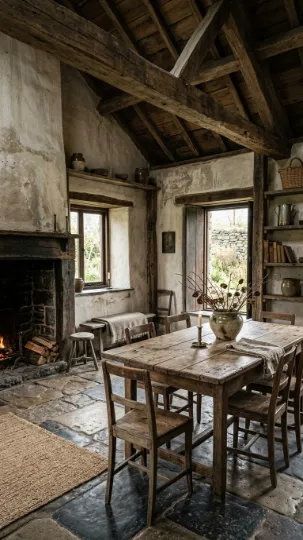
Design Idea: Exposed wooden beams with natural patina and a stone floor that shows signs of wear create a warm, timeless aesthetic.
8. Quiet and Serene Spaces
A key aspect of wabi-sabi architecture is creating spaces that promote mindfulness, calm, and contemplation. Avoid loud patterns, bright colors, or overcrowded interiors.
Tip: Incorporate quiet zones for reading, meditation, or reflection.
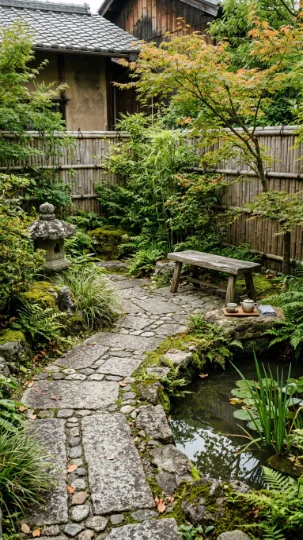
Design Idea: A small courtyard with a koi pond, a bamboo fence, and a stone bench creates a serene retreat within a home.
9. Handcrafted Details
Handcrafted details reinforce authenticity and uniqueness. Handmade tiles, pottery, woven textiles, or carved wood emphasize the human touch and imperfection inherent in wabi-sabi.
Tip: Prioritize quality craftsmanship over mass production.
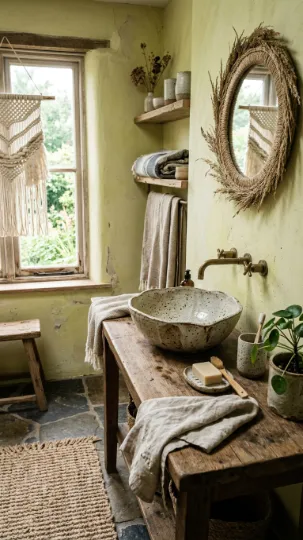
Design Idea: A handmade ceramic sink or a handwoven rug adds a tactile, artisanal feel to a minimalist space.
10. Celebrate Simplicity in Architecture
Overall, wabi-sabi architecture prioritizes simplicity, functionality, and the intrinsic beauty of materials. Focus on proportion, natural light, and honest construction rather than decoration or extravagance.
Tip: Let each architectural element serve a purpose while retaining a quiet elegance.
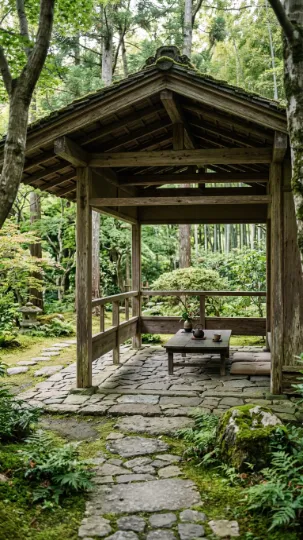
Design Idea: A simple wooden pavilion with open walls, a stone floor, and natural ventilation embodies wabi-sabi principles at its purest.
Final Thoughts
Wabi-sabi architecture is not about perfection or luxury—it’s about finding beauty in imperfection, simplicity, and authenticity. By embracing natural materials, organic shapes, muted colors, and handcrafted details, you can create spaces that feel calm, timeless, and deeply connected to nature.
Whether it’s a small meditation corner, a rustic home, or a modern minimalist interior, wabi-sabi design encourages mindfulness, appreciation for impermanence, and a serene lifestyle. These 10 ideas demonstrate that elegance doesn’t require extravagance—true beauty lies in simplicity, imperfection, and harmony with the natural world.